
Streaming vs traditional broadcasting marks a pivotal moment in the way we consume media, reshaping our viewing habits and preferences. With the rise of streaming platforms, audiences are now presented with a world of on-demand content, free from the constraints of conventional scheduling. This shift reflects broader trends in technology and consumer behavior, making it essential to explore the distinctions between these two approaches to media consumption.
As we delve into the advantages of streaming services over traditional broadcasting, it becomes clear that accessibility, personalization, and a diverse range of content are just the tip of the iceberg. The evolution of media consumption has not only altered how we watch our favorite shows and movies but also who is watching, with key demographics gravitating towards the more dynamic and interactive nature of streaming platforms.
Streaming vs Traditional Broadcasting
The media landscape has seen a significant transformation over the past couple of decades, shifting from traditional broadcasting methods to the convenience and flexibility of streaming services. This shift has altered how audiences consume content, making it essential to understand the advantages that streaming offers compared to traditional broadcasting.The evolution from traditional broadcasting to streaming platforms marks a pivotal change in media consumption patterns.
Traditional broadcasting, which primarily relied on scheduled programming and limited channels, is gradually being replaced by streaming services that provide on-demand content. Streaming platforms like Netflix, Hulu, and Amazon Prime Video allow users to watch their favorite shows and movies at their convenience, free from the constraints of airtime schedules. This transition has been fueled by advancements in technology, increased internet accessibility, and a growing demand for personalized viewing experiences.
Advantages of Streaming Services
Streaming services present several advantages over traditional broadcasting, enhancing the viewer experience significantly. Some of the key benefits include:
- On-Demand Access: Viewers can watch shows and movies whenever they want, creating a more flexible viewing schedule.
- Variety of Content: Streaming platforms offer a vast library of content, often exceeding what is available on traditional channels, including niche genres and original programming.
- No Commercial Interruptions: Many streaming services offer ad-free subscription options, allowing for uninterrupted viewing.
- Multiple Device Compatibility: Content can be accessed on various devices, including smartphones, tablets, smart TVs, and computers, catering to the preferences of the audience.
- Personalization: Algorithms on streaming platforms recommend content based on viewing habits, making it easier for users to discover new shows and movies.
Demographics of Streaming Preferences
The preference for streaming over traditional broadcasting spans various demographics, with certain groups leading the trend. Understanding these key demographics provides insight into the shift in media consumption:
- Millennials and Gen Z: These younger generations are often more tech-savvy and inclined to prefer streaming services due to their mobile-first lifestyles and desire for on-demand content.
- Urban Residents: People living in urban areas typically have better internet access, allowing them to take full advantage of streaming platforms.
- Families: Families may opt for streaming services to provide diverse content for different age groups, along with the convenience of watching on multiple devices.
- Viewers Seeking Niche Content: Audiences interested in specific genres or independent films often find a wider range of options on streaming platforms compared to traditional broadcasting networks.
Impact on Marketing Strategies
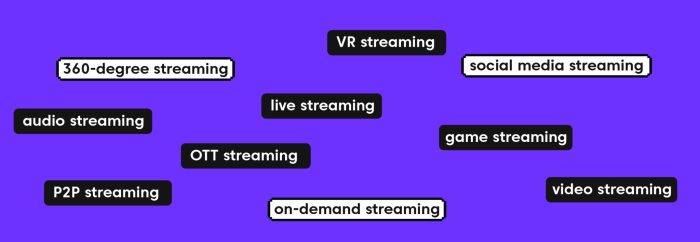
The rise of streaming services has transformed the marketing landscape, necessitating a re-evaluation of strategies used in traditional broadcasting. As more viewers shift their attention to platforms like Netflix, Hulu, and Disney+, marketers must adapt to new consumer behaviors and preferences. This shift emphasizes the importance of creating engaging content that resonates with audiences who have more control over what, when, and how they watch.Streaming services have introduced a more dynamic and targeted approach to video marketing.
Unlike traditional broadcasting, where ads are often generic and reach a broad audience, streaming platforms allow for precise audience segmentation based on viewer data. This data-driven approach enables marketers to tailor messaging and promotional content to specific demographics, increasing the likelihood of engagement and conversion.
Promoting Content on Streaming Platforms and Traditional Broadcasting
The strategies for promoting content differ significantly between streaming platforms and traditional broadcasting. Understanding these differences can enhance overall marketing effectiveness. Here are several key strategies for each medium:For Streaming Platforms:
Engaging Trailers and Previews
Create high-quality, engaging trailers that capture the essence of the content. These should be short, exciting, and optimized for sharing on social media.
Targeted Advertising
Utilize data analytics to deliver personalized ads based on viewer preferences and behaviors. Platforms like YouTube allow for precise targeting, improving ad relevance.
Influencer Collaborations
Partner with influencers who align with the content’s themes. Their reach can introduce the content to new audiences and build credibility.
Social Media Campaigns
Leverage platforms like Instagram, TikTok, and Twitter to create buzz around the content before its release. Engaging posts and interactive content, such as polls or challenges, can drive viewer interest.For Traditional Broadcasting:
Broad Promotional Campaigns
Utilize a mix of television, radio, and print ads to reach a wide audience. High-profile events or prime time slots can maximize exposure.
Cross-Promotion
Collaborate with other shows or networks for cross-promotional opportunities. This can include guest appearances or special features.
Event Sponsorships
Sponsor or participate in events relevant to the target audience, such as film festivals or cultural events, to generate interest and awareness for the content.Both mediums require a strong online presence, and search engine marketing plays a crucial role in driving traffic to streaming services.
Importance of Search Engine Marketing for Streaming Services
Search engine marketing (SEM) is vital for increasing visibility and accessibility of streaming content. As viewers often search for new shows or movies to watch, having a strong SEM strategy can significantly boost traffic. Here are some critical elements of effective SEM in this context:
Optimization
Identifying and using relevant s related to the content can improve search rankings. This includes long-tail s that potential viewers might use when searching for specific genres or themes.
Content Marketing
Creating blog posts, articles, or reviews that discuss the content can attract organic traffic. Search engines favor valuable content that provides insights or entertainment.
Ad Campaigns
Running paid search ad campaigns can help reach viewers actively looking for content. Ad placements on popular search engines can direct traffic to the streaming service’s homepage or specific show pages.
Analytics and Adjustments
Continuous analysis of performance metrics allows marketers to adjust their strategies based on viewer engagement and search trends. This ensures that marketing efforts remain effective and relevant.The integration of these strategies is essential for maximizing the potential of both streaming and traditional broadcasting avenues, catering to the evolving landscape of viewer habits and preferences.
Technological Considerations
The technological landscape plays a crucial role in shaping the quality and accessibility of streaming services compared to traditional broadcasting. As the demand for seamless, high-quality viewing experiences continues to grow, understanding the underlying technology becomes essential for both content creators and consumers. This section delves into the significant elements that contribute to effective streaming experiences, including web hosting, internet security, and the influence of social media.
Role of Web Hosting and Development in Streaming
Web hosting and development are pivotal in ensuring that streaming content is delivered efficiently and reliably. High-quality streaming requires robust server infrastructure that can handle large volumes of data and deliver it to users without interruptions. Key considerations include:
- Server Performance: A content delivery network (CDN) is often utilized to distribute the load among multiple servers, minimizing latency and enhancing user experience.
- Scalability: As viewership grows, the hosting solution must accommodate increased traffic without compromising performance. Cloud-based hosting allows for on-demand scaling.
- Streaming Protocols: Technologies like HLS (HTTP Live Streaming) and DASH (Dynamic Adaptive Streaming over HTTP) adapt video quality based on user connection speeds, providing a smoother experience.
- Responsive Design: Websites must be designed to function on various devices, ensuring accessibility across smartphones, tablets, and smart TVs.
Need for Internet Security Measures in Streaming Services
With the rise in streaming services, safeguarding user data and content has become increasingly important. Internet security measures are crucial to protect against various threats. Essential security practices include:
- Encryption: Implementing protocols such as SSL/TLS to encrypt data during transmission helps protect sensitive information from interception.
- Authentication: Multi-factor authentication (MFA) can enhance the security of user accounts, deterring unauthorized access.
- Content Protection: Digital Rights Management (DRM) technologies prevent unauthorized distribution and piracy of streamed content.
- Regular Security Audits: Conducting routine security assessments ensures that vulnerabilities are identified and addressed promptly.
Significance of Social Media in Promoting Streaming Content
Social media platforms have revolutionized how streaming content is marketed and consumed. They provide a powerful medium for creators to engage with audiences, foster community, and promote their content. Key aspects include:
- Direct Engagement: Social media allows for real-time interaction with viewers, enabling creators to respond to feedback and build a loyal fan base.
- Viral Marketing: Shareable content can reach a wider audience organically, as users share their favorite shows or clips across their networks.
- Promotional Strategies: Targeted advertising on social media can effectively reach specific demographics, increasing the chances of attracting new subscribers.
- Influencer Collaborations: Partnering with influencers can amplify reach and credibility, drawing their followers’ attention to streaming services.
“The convergence of technology and social interaction has transformed the landscape of content promotion, making it more dynamic and reactive.”
Last Word
In conclusion, the debate of Streaming vs traditional broadcasting reveals much about our changing media landscape. As streaming continues to dominate the field, it’s crucial for marketers and content creators to adapt their strategies to this new reality. By understanding the technological advancements and audience preferences, we can anticipate future trends and harness the power of both mediums to deliver compelling content that resonates with viewers.
FAQ Section
What are the main benefits of streaming services?
Streaming services offer flexibility, a vast content library, and the ability to watch on various devices without being tied to a schedule.
How have traditional broadcasting methods adapted to the rise of streaming?
Many traditional broadcasters are now offering their own streaming options and on-demand services to compete with digital platforms.
Are streaming services more cost-effective than traditional broadcasting?
Generally, streaming services can be more affordable as they often have lower subscription fees compared to cable packages.
What role does social media play in promoting streaming content?
Social media is crucial for engaging audiences, creating buzz around new releases, and driving traffic to streaming platforms.
Can traditional broadcasting survive in the era of streaming?
While it faces significant challenges, traditional broadcasting can thrive by embracing digital trends and integrating streaming options.


